Tree Service: Tree Removal vs. Tree Preservation
Understanding When Trees Should Be Preserved
Healthy trees provide long-term environmental and aesthetic benefits. In many cases, preservation is the best option when a tree still contributes positively to the landscape.
Signs a Tree Is Worth Saving
Before deciding on removal, property owners should consider whether the tree is still structurally sound and capable of recovery. Preservation may be the best choice when:
- The tree shows only minor disease or damage.
- The root system is stable and undisturbed.
- The tree provides shade and improves landscape design.
- It supports local wildlife and environmental health.
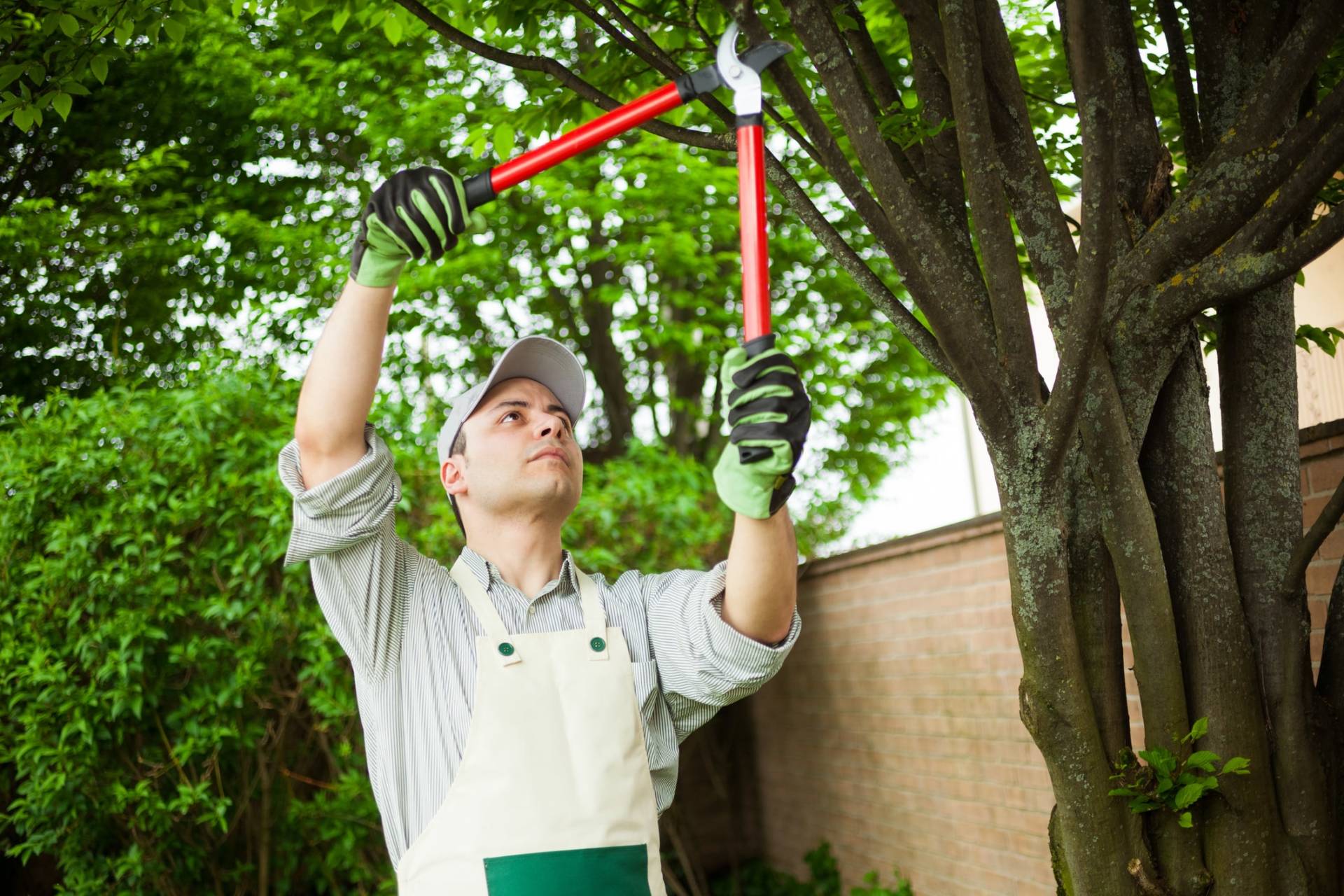
- Professional pruning or treatment can restore its condition.
An experienced tree service in Omaha, NE, can inspect the tree and determine whether proper care,
pruning, or disease treatment will restore its health.
Benefits of Preserving Mature Trees
Mature trees offer unique advantages that newly planted trees cannot replicate quickly. Preserving them can enhance both the environment and property value.
Some key benefits include:
- Improved energy efficiency through natural shade.
- Increased curb appeal and landscape value.
- Reduced soil erosion and improved drainage.
- Habitat supports birds and wildlife.
- Cleaner air and improved environmental conditions.
Professional arborists often recommend preservation whenever the tree remains structurally safe and environmentally beneficial.
When Tree Removal Is the Safer Choice
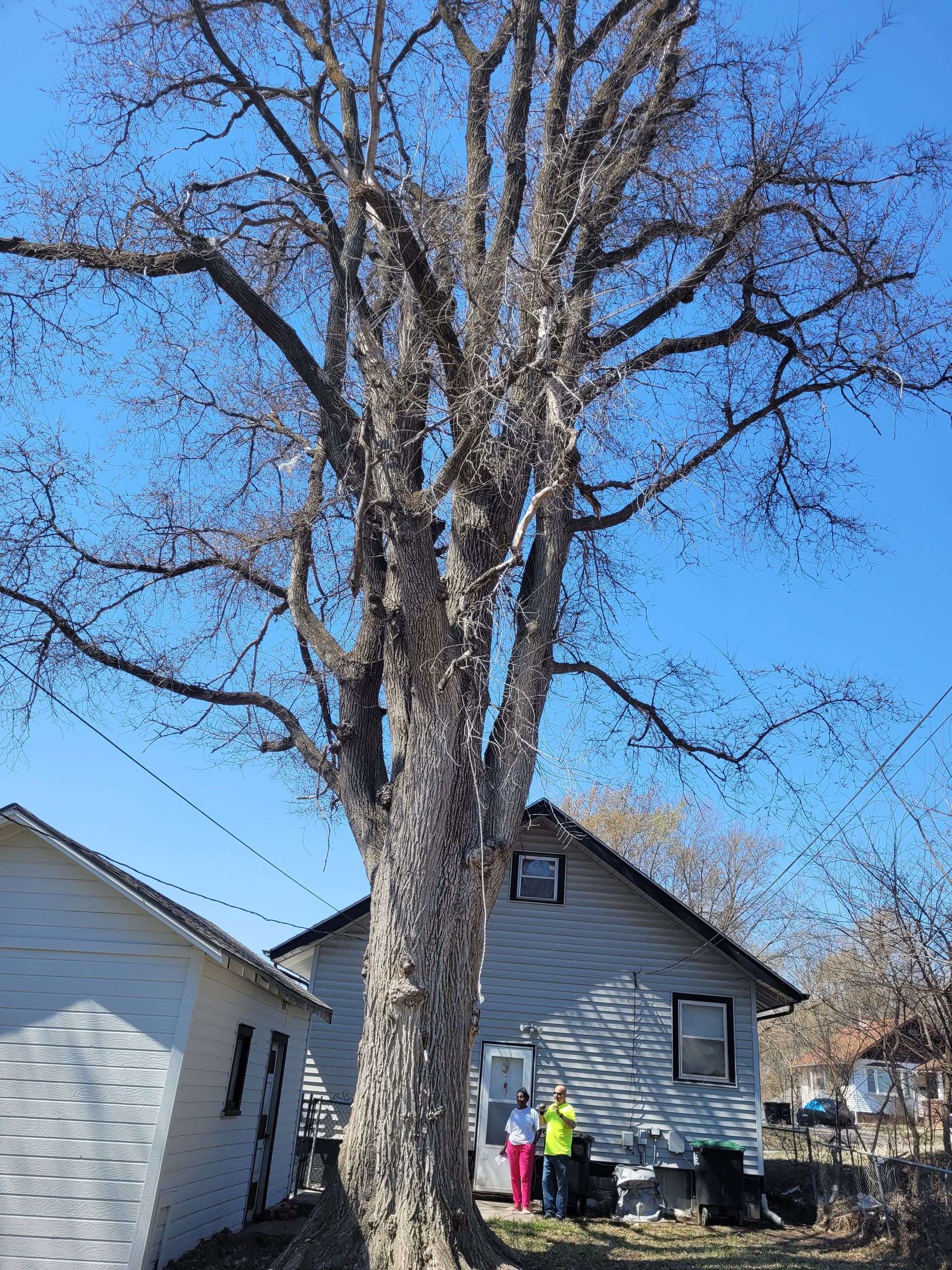
Although preservation is often preferred, certain situations make tree removal necessary to protect people, property, and surrounding plants.
Warning Signs a Tree May Need Removal
A tree may pose safety risks when its structure or health has been significantly compromised.
Warning signs that often require professional attention include:
- Large cracks in the trunk or major limbs.
- Severe lean or root instability.
- Extensive pest infestation or decay.
- Dead branches falling frequently.
- Storm damage affecting structural integrity.
A qualified service can evaluate these conditions and determine whether removal is the safest option.
Understanding The 50% Rule
One of the most widely used guidelines in arboriculture is the 50% Rule. This rule suggests that if more than half of a tree’s structure is damaged, diseased, or dead, removal is typically the most practical and cost-effective solution.
This guideline helps property owners make informed decisions because severely compromised trees rarely recover fully. Attempting to preserve them may lead to repeated maintenance costs while still leaving safety concerns unresolved. In these situations, removing the tree protects nearby structures, vehicles, and landscaping features from potential damage.
Factors That Influence the Removal or Preservation Decision
Several factors determine whether a tree should remain part of the landscape or be safely removed.
Structural Stability
Structural stability is one of the most important considerations. Trees with compromised trunks or weakened root systems may fall unexpectedly, especially during storms.
Professional assessments often focus on:
- Root health and soil stability.
- Trunk integrity and internal decay.
- Branch weight distribution.
- Overall balance of the canopy.
These factors help determine whether the tree can remain safely on the property.
Location and Property Risk
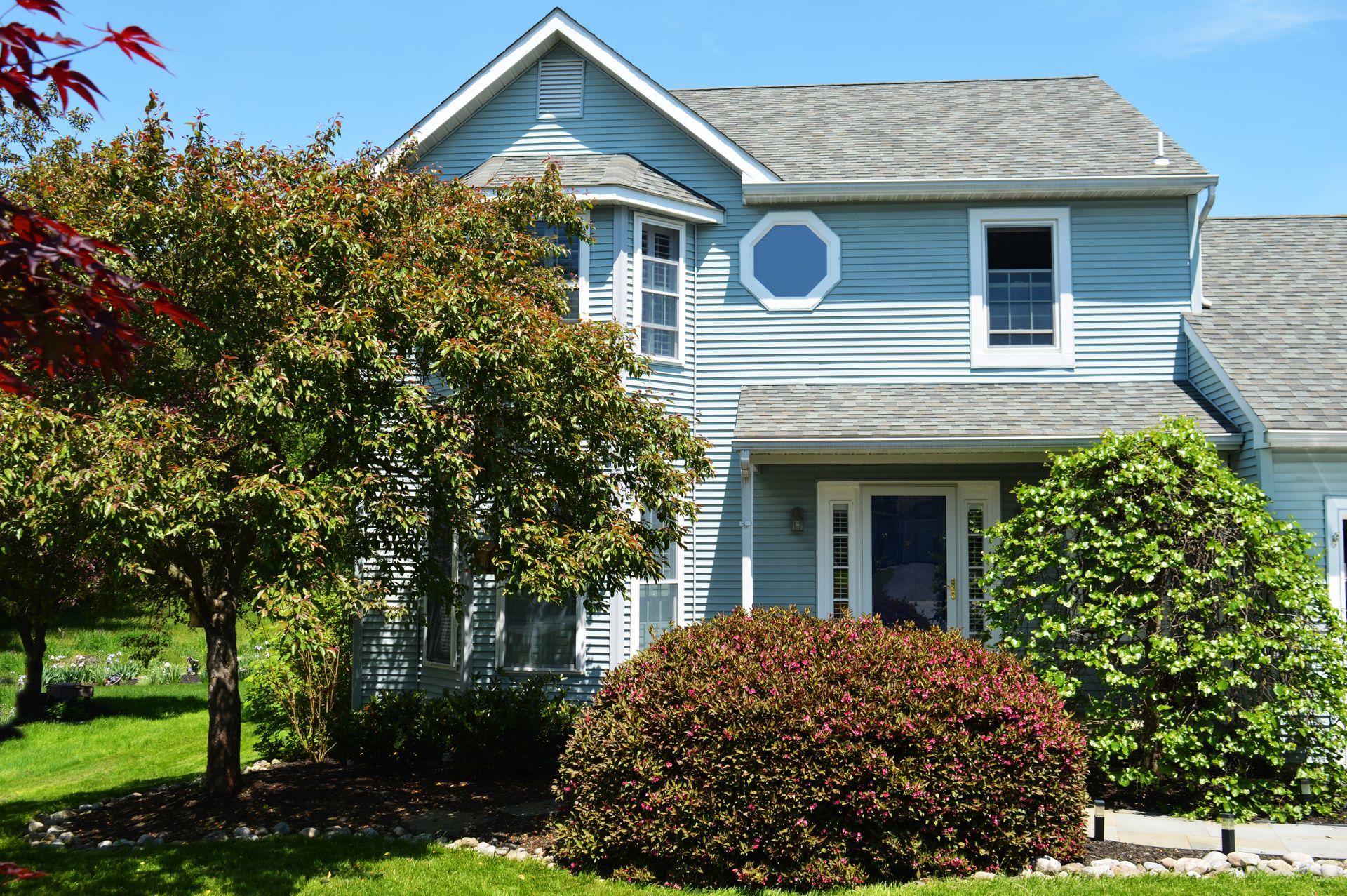
The tree’s location also plays a significant role in the decision-making process. Even healthy trees may become hazardous when they grow too close to structures, utility lines, or driveways.
For example, trees planted near homes may cause the following:
- Roof damage from falling branches.
- Foundation issues from root expansion.
- Obstruction of power lines.
- Limited visibility along walkways or driveways.
A professional tree service evaluates these risks and provides recommendations that prioritize safety while maintaining landscape beauty.
The Importance of Professional Tree Assessment
Making the right decision between removal and preservation often requires expert insight. Professional arborists use specialized knowledge and equipment to evaluate tree health accurately.
What a professional evaluation includes:
A professional inspection typically examines several important factors:
- Tree age and expected lifespan.
- Signs of disease or pest activity.
- Soil conditions affecting root health.
- Structural integrity of branches and trunk.
- Environmental impact of removing the tree.
These evaluations ensure that homeowners make informed choices based on safety, sustainability, and long-term landscape value.
The Full Cycle of Professional Tree Removal
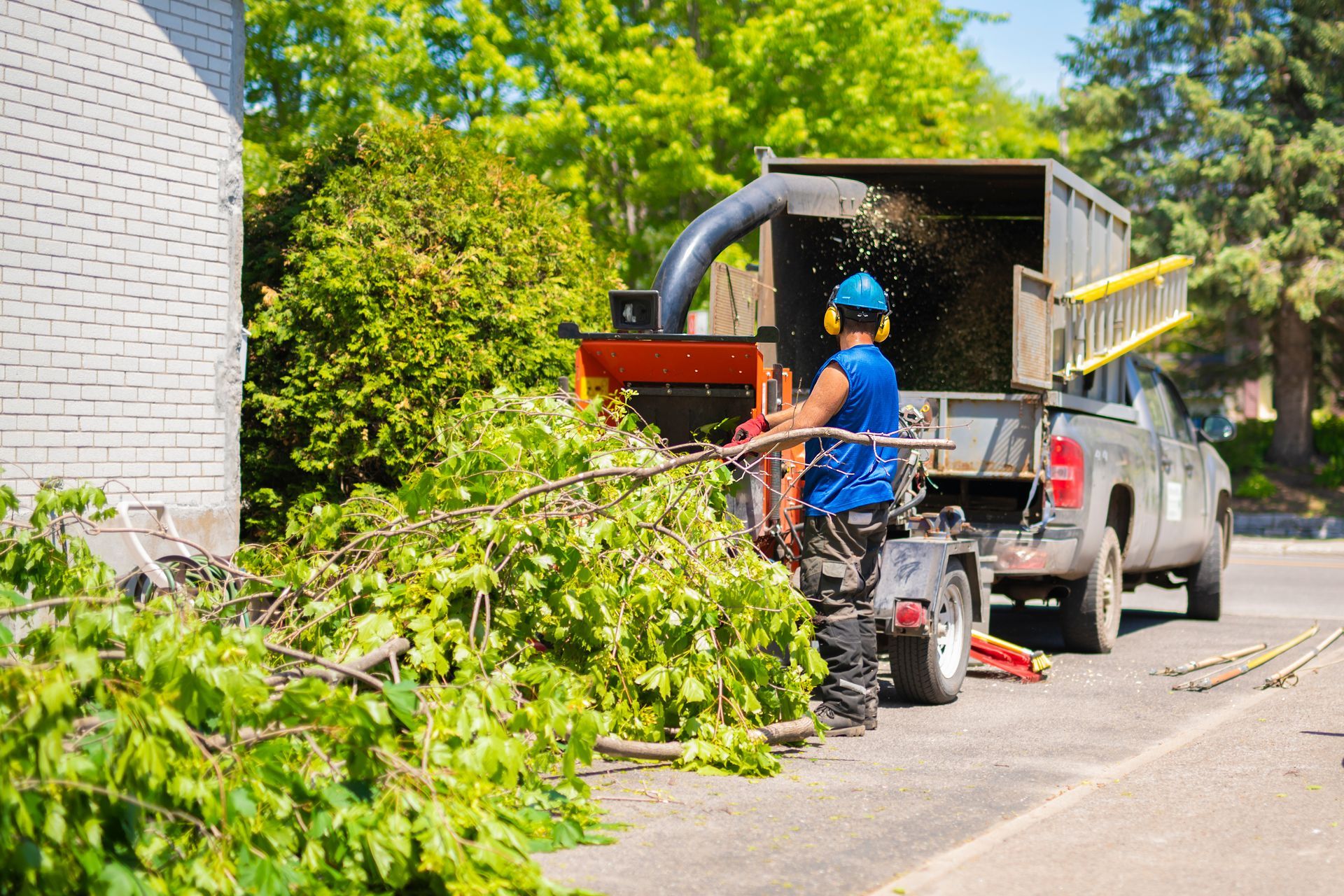
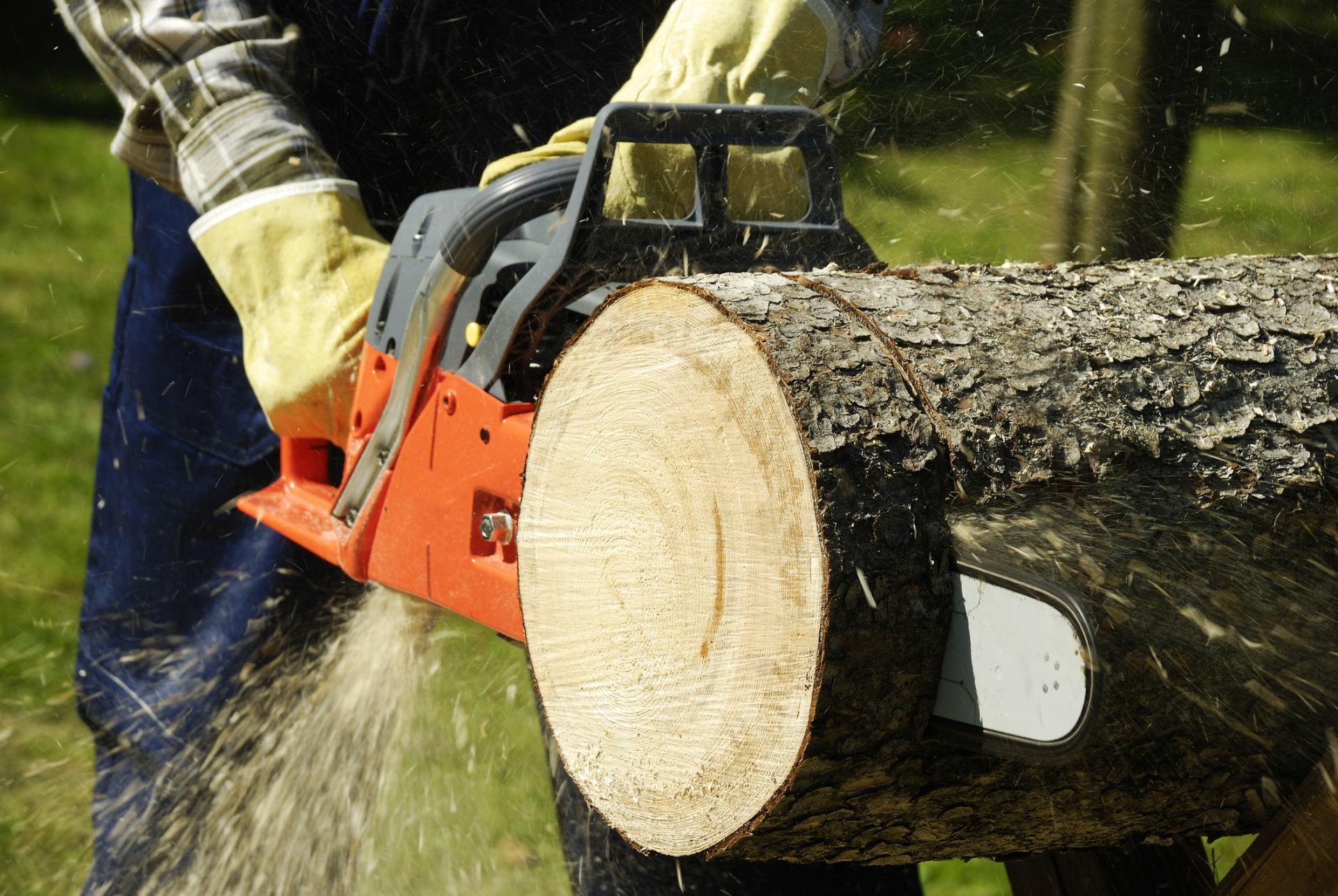
When removal becomes necessary, the process should be handled safely and efficiently. Experienced professionals follow a comprehensive approach to protect both the property and the surrounding landscape.
The full cycle process includes the following:
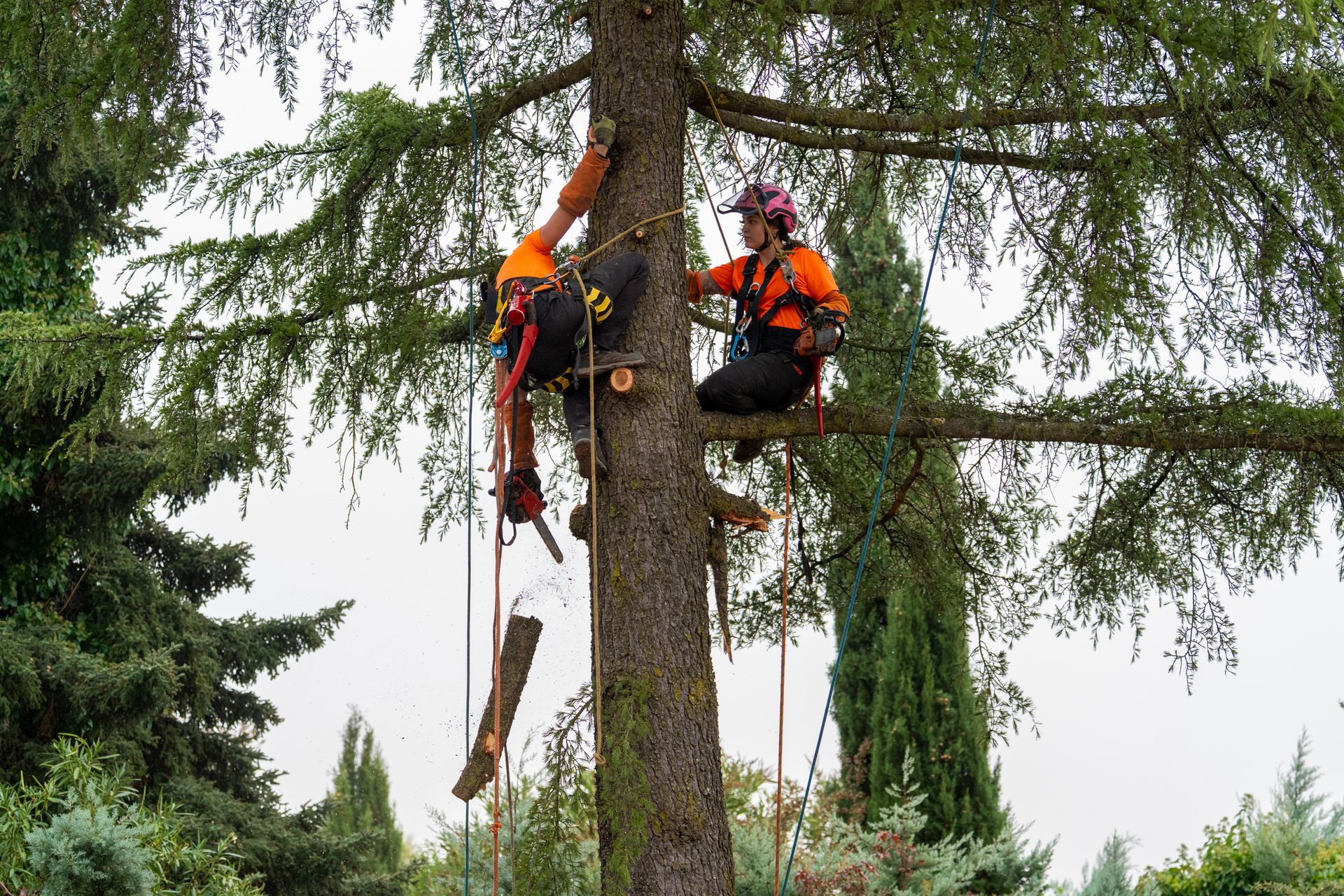
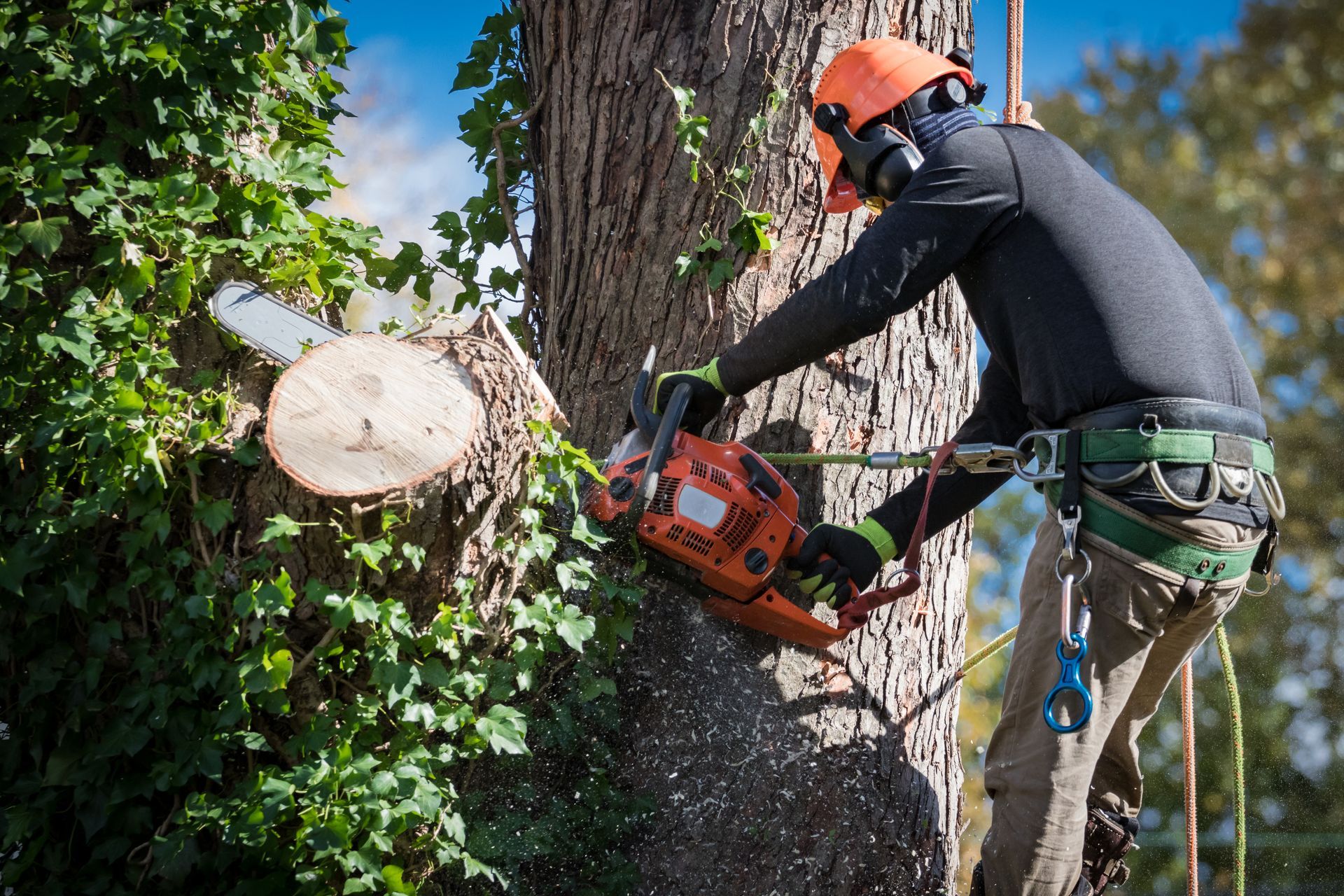
- Careful tree cutting using specialized equipment.
- Controlled limb removal to prevent property damage.
- Complete trunk removal.
- Stump grinding to eliminate remaining roots.
- Debris hauling and cleanup.
Companies such as Absolute Tree Service handle the full cycle of the project, leaving the property clean and construction-ready once the job is completed.
This complete approach saves homeowners time and ensures the landscape remains safe and usable after the work is finished.
Balancing Safety, Beauty, and Environmental Responsibility
Tree care decisions should balance multiple priorities. Property owners want to maintain attractive landscapes while also ensuring safety and protecting the environment.
Preserving healthy trees supports sustainability and natural beauty. At the same time, removing hazardous or dying trees prevents property damage and creates opportunities for new landscape growth.
Working with professionals helps homeowners evaluate all these factors and choose the most responsible course of action.
Call Absolute Tree Service for Expert Tree Care
If you have concerns about the health or safety of a tree on your property, the team at Absolute Tree Service is ready to help. Their experienced professionals handle everything from the initial cut to stump grinding and debris removal, ensuring your yard is clean and construction-ready.
For reliable tree service in Omaha, NE, contact Absolute Tree Service today at
402-208-4671 and
schedule a professional tree assessment in Omaha. Their team is committed to helping homeowners maintain safe, beautiful, and well-managed landscapes.