When Is the Best Time to Trim Trees in Omaha, Nebraska?
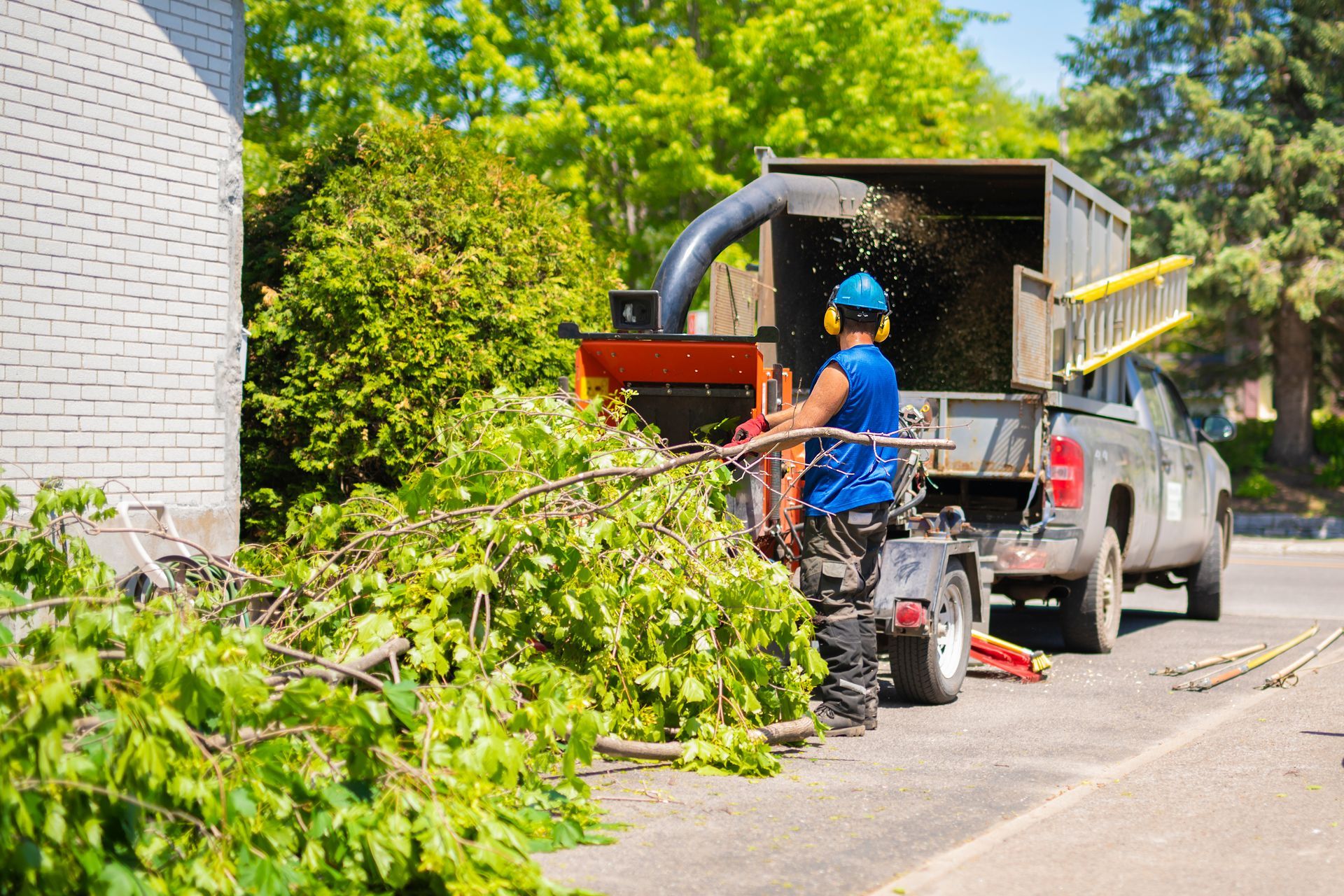
Timing matters more than most Omaha homeowners realize. Omaha, NE, sits in USDA Hardiness Zone 6a, with last spring frosts around April 22 and first fall frosts in late September, giving the metro roughly 153 growing days. That climate window directly shapes when trimming is safest and most effective. Whether your yard holds a cottonwood along a Millard drainage corridor, a mature elm in West Omaha, or a bur oak near the Papio Creek Greenway, each species responds differently to the pruning calendar.
Why Dormant Season Is the Best Time for Most Tree Trimming
Late winter through early spring, roughly late February to early April, is the most reliable window for trimming most trees in the Omaha area. Deciduous trees have shed their leaves, temperatures are cool, and new growth has not yet begun. An arborist can clearly see the full branch structure, and wounds begin healing quickly once spring warmth arrives.
Dormant pruning for tree service in Omaha, NE, also means insects are not yet active. Many fungal diseases that threaten Omaha's canopy are spread by beetles that only fly once temperatures rise. Trimming before those insects emerge removes a significant infection risk before any cut is made.
Pruning Assessment: Three Quick Questions to Ask Before You Trim
Before scheduling trimming work, run through these checks:
- Are there dead, cracked, or hanging branches posing an immediate safety hazard? If yes, those can be removed year-round regardless of season.
- Have the leaves dropped completely or not yet emerged? Either condition suggests the tree may be near dormancy, which is favorable for most trimming.
- Is the tree an oak or elm? If so, see the species-specific guidance below before scheduling warm-season work.
Species-Specific Timing for Omaha's Most Common Trees
Oak Trees
To minimize oak wilt risk, a fungal disease spread by sap beetles, oaks should ideally be pruned between December and late February. Nebraska Extension recommends avoiding oak pruning from April through June, when beetle activity and spore loads are highest. If an emergency cut is necessary during warmer months, wound dressing applied immediately to fresh cuts can reduce beetle attraction.
Elm Trees
American elms are susceptible to Dutch elm disease, spread by bark beetles. Like oaks, elms are best trimmed during the dormant period between late October and early March. Warm-weather trimming attracts beetles that carry fungal spores, which can move through a tree's vascular system quickly once inside a fresh wound. Sanitizing pruning tools between cuts is also important when working around any elm.
Cottonwood Trees
Eastern cottonwood is common along Omaha's creek corridors and suburban lots near the Elkhorn River basin. Because cottonwood branches can be brittle and prone to wind damage, regular trimming is important near homes and power lines. The best window is late winter, after the coldest temperatures have passed and just before buds break. Fall pruning is generally not ideal because it can stimulate new growth that may not harden before Omaha's first freeze.
When Tree Trimming Can Cause Harm
Summer is the least favorable season for major pruning on most species. Growth is at its peak, the tree is actively directing energy into new leaves and branches, and open wounds attract more insect traffic. Large-scale canopy thinning during July and August can slow recovery significantly.
Fall trimming also carries risk. Heavy pruning in September or October can push a tree to generate new growth that will not harden before cold weather arrives. Waiting until leaves have fully dropped and dormancy has set in produces better results for routine maintenance.
Trees with structural problems such as co-dominant stems or heavy overhanging limbs may benefit from cabling and bracing as a complement to trimming, and that work can often be evaluated during the same dormant-season visit.
What Qualifies as a Tree Emergency?
Some situations cannot wait. Broken branches hanging over a roof, storm-damaged limbs resting on a fence, or dead wood above a walkway are safety hazards that should be addressed immediately. Dead and diseased branches can be removed at any time of year, since the tissue is no longer actively growing or transporting sap. Omaha's severe weather season, April through September, can create hazardous conditions that call for prompt attention outside the ideal trimming calendar.
How Often Should Omaha Trees Be Trimmed?
Most mature deciduous trees benefit from trimming every three to five years, depending on species, growth rate, and proximity to structures. Fast-growing species like cottonwood may need more frequent attention. Young trees often benefit from annual or biennial structural pruning in their first five to ten years to establish sound branch architecture.
Can I Trim My Own Trees in Omaha?
Light pruning of small, accessible branches is manageable for many homeowners. However, work involving ladders, branches near power lines, or large-diameter cuts on mature trees carries meaningful risk of injury and property damage. A certified arborist can assess which branches to remove, how much canopy to take at once, and whether timing is appropriate for your species. Removing more than 25 to 30 percent of a tree's live canopy in a single visit can cause significant stress, so professional guidance makes a real difference in long-term tree health.
Ready to Schedule a Tree Trimming Visit in Omaha?
The right time to trim your trees in the Omaha metro is almost always late winter through early spring, with specific windows adjusted by species and condition. Absolute Tree Service serves Omaha, NE, and surrounding communities, including Papillion, Bellevue, Elkhorn, and La Vista, offering professional trimming, cabling and bracing, storm cleanup, and more. Call (402) 208-4671 to request a free estimate, contact the team online, explore the full range of tree trimming services, or find Absolute Tree Service on Google to read reviews and confirm service availability in your area.